Simply Resourceful

Simple ways to be more conscious about how we use our resources.

Showing posts with label Mushrooms. Show all posts

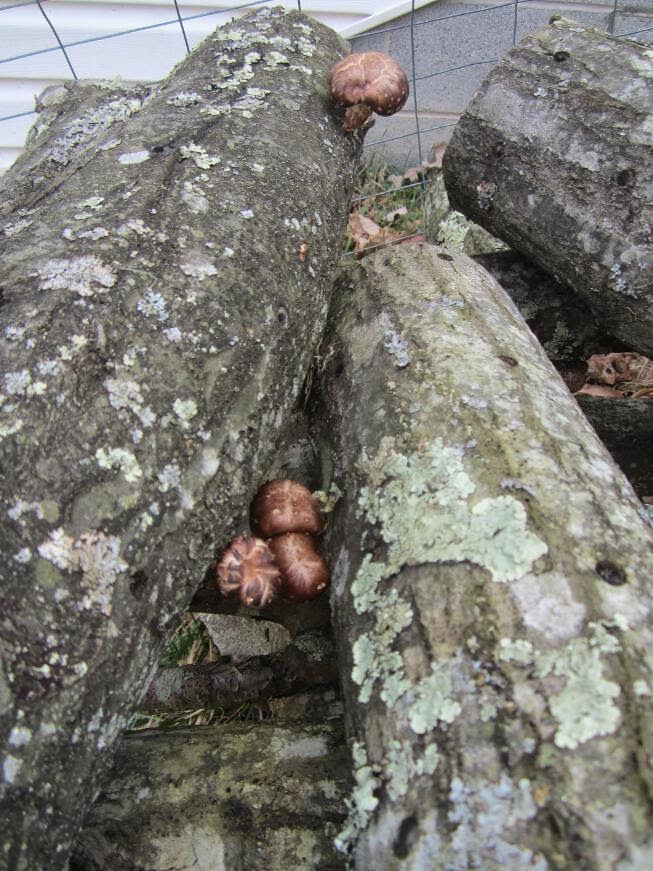
Force-Fruiting Mushroom Logs

The nights are getting cooler here in West Virginia.  To get one last flush of mushrooms before it gets too cold, we are force-fruiting the mushroom logs.  This is a process where the logs get fully saturated with water so the mushroom spores fruit.

We have tried soaking down the logs using our well water and a garden hose, but the logs just barely fruit.  The best solution is to toss them in the creek and let them sit for 24 hours before returning them to the log pile.

The log with all the shitake mushrooms was the only log submerged in the creek at the time this picture was taken.  It takes about three days after soaking until the little mushroom caps emerge.


The mushrooms we don't consume right away are dehydrated.  It takes about 8 hours in an electric dehydrator.  One log fills a quart jar.


Shitake Mushroom Harvest!

After a few weeks of dry weather, we received a few days of rain.  Everything here needed a good drink, including the mushroom logs we inoculated in 2013.  This is our first large harvest from these logs: 5 lb 3.2 oz

They were recently moved from the side of the house to behind the barn in a shady, humid area.  The logs are elevated off the ground with cinder blocks to allow air circulation and minimize rot.

The logs were moved because the top logs were drying out from too much sun exposure and lack of moisture. The bottom logs produced much better. 

Looking good!

After saving a few for fresh eating, the rest were dehydrated: only 0.4 pounds after dehydration.


Picky Eater? Let them eat dirt.

Do you have a picky eater in your house? Well, we'd thought we'd share our story on how we raised Paul, and how this kid will eat anything.  The key was we didn't give him choices when he was a baby. He ate what was on the table or he went hungry. We didn't dress up his food with salt or sugar either. In fact, to this day the kid goes through a 25 lb. bag of Bob's Red Mill Oatmeal about every 5 months! It's a fixture at the breakfast table. He eats a heaping cup of dry oatmeal with boiling water poured over the top without any sugar added. After about a year of this, we started adding raisins. In fact, if you put brown sugar on it, he says its too sweet - that goes for a lot of things like pop/soda, chocolate, ice cream...etc.


Paul just ate a handful of dirt and he didn't like it. We did help clean him up...


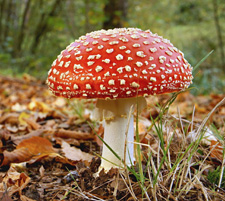
Paul has always been given the option to forage in the garden, and let me tell you...he takes advantage of this freedom. Throughout all hours of the day he will eat raw fruits and vegetables. At first, when he was little, we felt the need to restrict him because he was becoming a pest: eating small bites here and there (when produce was under ripe), breaking vines, trampling seedlings, etc.but Paul was in love with the garden and we were in love with him so it all worked out. Tomatoes, snap peas, broccoli florets, any type of berry, okra, the list goes on and on, he loved foraging. He even knows what not to eat. I think when he was three we showed him a picture of a fly agaric mushroom and said it's a "bad" mushroom. A few weeks later in the dentist office, Paul saw a picture of this mushroom on the wall and exclaimed excitedly "Daddy, that can kill you" (while pointing to the mushroom). So, he knows to ask us before eating a mushroom. We only eat wild oyster and chanterelle mushrooms, and we grow shiitake; anything else he has to ask us about.
Fly agaric mushroom

So a pleasant side effect to all of this is Paul has eaten a lot of dirt, and the kid was perpetually sick the entire first year of his life. Since then, he has maybe had one minor cold. We're sure his little body built up a ton of antibodies and strengthened his immune system so much that he could live in a germ palace and do just fine. Just don't let your kids eat dirt that has been treated with fertilizers/pesticides etc. Our garden is 100% organic/pesticide free so we didn't have that fear.

Eating dirty strawberries...

Eating dirt in the blueberry patch...


Taking care of the strawberries


Mmmm blueberries with dirt...


Foraging for beans
Not going to eat the chicken...

Big Carrot!
Eating peaches
Hunting for Mushrooms
Fresh Corn

Eyeing the trunk full of raw apples (they're not pretty, they may have a worm, but to Paul they're heaven).

A fully loaded apple tree (this tree was only two years old and gave 2 dozen apples)
He loves his fruit and veggies.


Life After a Long Winter

This blog has a lot of how-to and informative posts, but sometimes I need to step back from routine and highlight all of the great things that are going on at the homestead.  Sometimes I can get discouraged when following other blogs and seeing all the pristine photos with weedless gardens and blemish-free produce, but I remind myself that we keep things real here at the Wolfe house.  This is the beginning of our 3rd year at this house and we are excited to see many of our efforts spring to life with the warm weather slowly creeping in. I think many of us can agree that spring was slow to arrive, but each day this week I am thrilled to see bits and pieces of the property wake up to warm weather.  I look at the soil and see so much potential with the green manure putting nutrients back into the soil and flower buds swelling on the fruit trees!  So here's a virtual toast to a bountiful harvest this summer!

This week, 3 colonies of Italian honeybees arrived from Kelley Bees.  This season I am taking on an apprentice beekeeper who paid for one colony of bees in exchange for hands-on education and a share of the honey crop.  Having an apprentice will keep my mind sharp on the inner-workings of the hive and give me reason to go into the hives more often.

Our girls are tuckered out with all the scratching!  After months of cold weather, they are eager to get out of their coops every morning and scratch under the leaves for all those tasty grubs coming up to the surface.  After a few hours, 2 of the chickens decided to take a sun bath on the front steps to give their legs a rest.     

This picture was taken a month ago.  Many of the seedlings are already transplanted in the garden.  Some days the greenhouse gets so hot (110 degrees) we have to prop the door open. 

At the end of February I started sprouting potatoes but the weather was really wet and cold the week we wanted to plant them.  The potatoes were quickly starting to shrivel up so Jon put them in the rain barrel planter on the porch under a layer of moist dirt and composted chicken manure.   

After 2 weeks, the potatoes were hydrated and growing roots so they were transplanted into the garden. 

The mushroom logs started sprouting this week!

All of the fruit trees have blossoms and many have already opened.  We hope no more frosts!

A snapshot showing half of the garden.  The green strips show the green manure growing back after dying in the winter. 

Here's the other half of the garden with the green manure tilled under and ready for planting. 

The cold frame was a success this spring... lettuce and spinach coming up! Varieties: hotshot mustard mix, arugula, gulley's favorite, lettuce mixture, and giant winter spinach

The brassica plants (cabbage, cauliflower, and broccoli) have been transplanted.  This year we plan to use remay to keep the cabbage moths away.  We'll be posting about that sometime in the near future.  Cabbage is shown in the above picture. 

In the fall Jon planted music and great northern white garlic at the end of each row.  We keep reading how garlic keeps the "bad" bugs away so instead of planting a patch of garlic, we are growing 2 bulbs at the end of each row to hopefully maximize the benefits of garlic since our garden is so large.  It's hard to see the garlic in the picture above since the green manure is growing in areas but they are on the far left side. 

The asparagus are poking their heads through the soil.  This year we can finally harvest the spears!


Foraging for Wild Chanterelle Mushrooms!

Last week my post referenced the Chanterelle Mushrooms we have been finding in the woods.  Come to find out after another scouting in the woods, Jon and Paul found an entire patch of them!  With the use of a t-shirt, Jon managed to bring home 2 pounds of them and another 5 pounds later in the week!  We found an excellent website that has recipes and mushroom preservation information.  I would like to can the mushrooms but sources online state that it's not safe to can wild mushrooms.  In the meantime, we decided to sautee them in olive oil and freeze them because drying isn't preferred for chanterelles.


These are chanterelle mushroom puffs.  Very tasty, but heavy on the butter. 

  • 1 cup chicken broth
  • 1/2 pound chanterelles, minced
  • 1/2 cup (1 stick ) butter
  • 1/2 teaspoon salt
  • 1 cup unbleached all-purpose flour
  • 3 eggs
Heat the chicken broth in a heavy medium saucepan. Add the chanterelles, butter, and salt and allow to come to a boil. Stir in the flour, mixing constantly until the mixture is smooth and almost leaves the sides of the pan. Remove from the heat. Beat one egg at a time into the mixture.
Drop tablespoons of the dough onto a buttered cookie sheet, spacing the spoonfuls about 2 inches apart. Bake in a preheated 450º oven for 15 minutes or until firm and golden. Cool the puffs on a rack.


Homemade Seed Packets

Jon and I began seed saving last year and want to share with you how we make our own packets for storage.  Some gardeners I have talked to save their own seeds and others think it's not worth the time because seeds are relatively cheap; after all, some crops such as carrots, beets, and leeks take 2 growing seasons to produce seeds.  One perk to letting some plants go to seed is that more color and beauty is added to the garden attracting beneficial insects and pollinators such as honeybees.  One plant going to seed in our garden right now is leeks.  They are absolutely beautiful!  They produce colorful globes that are about 5 feet tall and sway in the wind (picture below) - they look just like globe allium except you get the benefit of them being edible.  Saving seeds also gives a gardener food security and lets the gardener pick and choose seeds from the most prolific plants or from plants that have enhanced genetics that make them resistant to certain bugs, or fruit earlier, or have sweeter fruits, or blossom later to avoid spring frosts.  It's all in the seed.  Saving them from your garden will ensure you have the best genetics targeted for your exact garden and climate.

What do think about saving seeds?  What is your main reason for saving seeds or not to save them?
Please leave a comment below.

The honeybees really enjoy the leeks!


For storing seeds, I make our own packets by reusing manila envelopes.  

To simplify the process I cut out four packets using the already sealed seems on the existing envelope.

I add a little glue to seal the remaining sides...

and write the company name, seed name, and year collected on the packet. 

Seed packets are stored in this box in our basement.

I had to add these last two pictures of the mushroom hunt today in our woods.  There are mushrooms everywhere and most we haven't been able to identify.  The ones we did keep and feel confident eating are the chanterelles shown below.  


About this blog

A weekly update on our adventures of trying to be more self-sufficient by using resources wisely. We explore a variety of topics that most broadly fit in the "Homesteading" category, i.e. beekeeping, organic gardening, edible landscaping/fruit forest, food preservation/canning, woodworking, soap-making, and environmental stewardship.

Search My Blog

I've been featured on:


Followers

Facebook

Contact Form

Name

Email *

Message *

Powered by Blogger.